




A Non-Technical Founder's Guide to Hiring the Right Development Partner

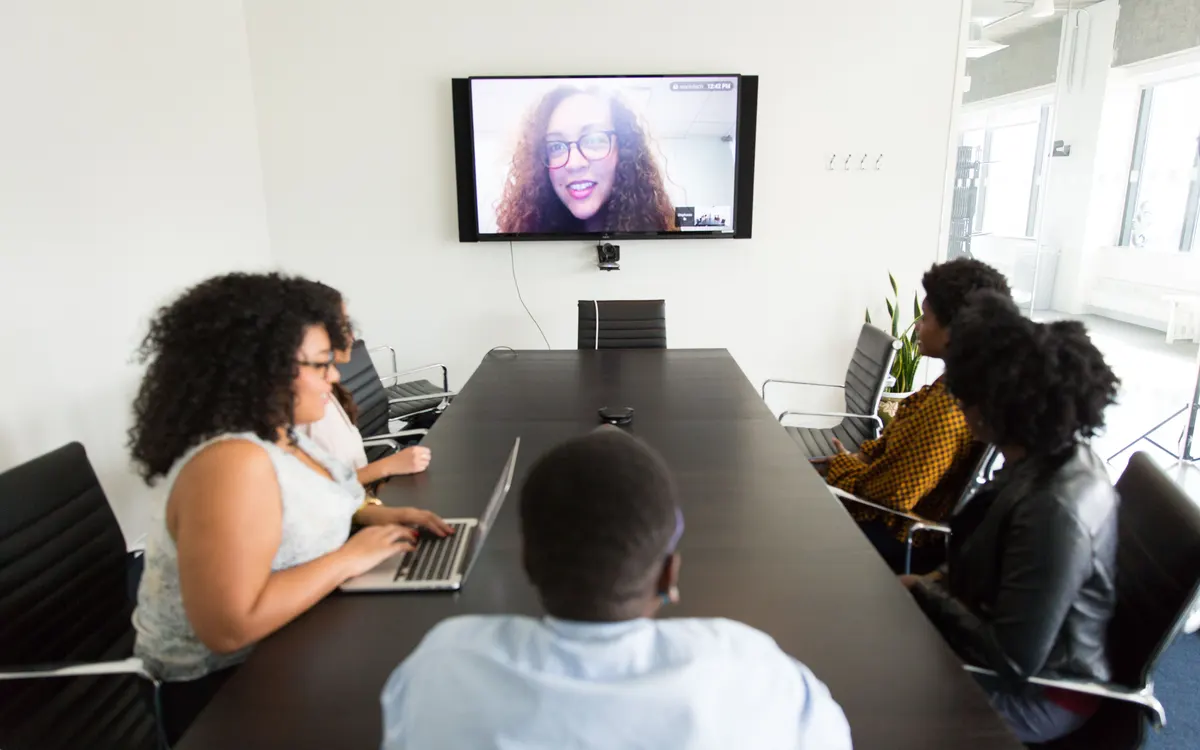
If you're hiring a developer and you can't read a line of code yourself, you're not alone, and it doesn't put you at a real disadvantage. Most people hiring a developer for the first time are in the exact same position. Here's how to do it well anyway.
You Don't Need to Learn to Code First
It's tempting to think you need to understand the technical side before you can hire well. You don't. What actually matters is being completely clear about what you're building, who it's for, and what "done" looks like. That clarity, not technical skill, is what lets any developer or company do good work for you.
Get Clear Before You Hire Anyone
Before you talk to anyone, write down plain answers to a few questions: What problem does this solve? Who is going to use it? What does it need to do on day one, versus what can wait? A page of clear notes will get you further than any amount of technical knowledge.
The Real Risk Isn't Being Non-Technical - It's Not Being Able to Check the Work
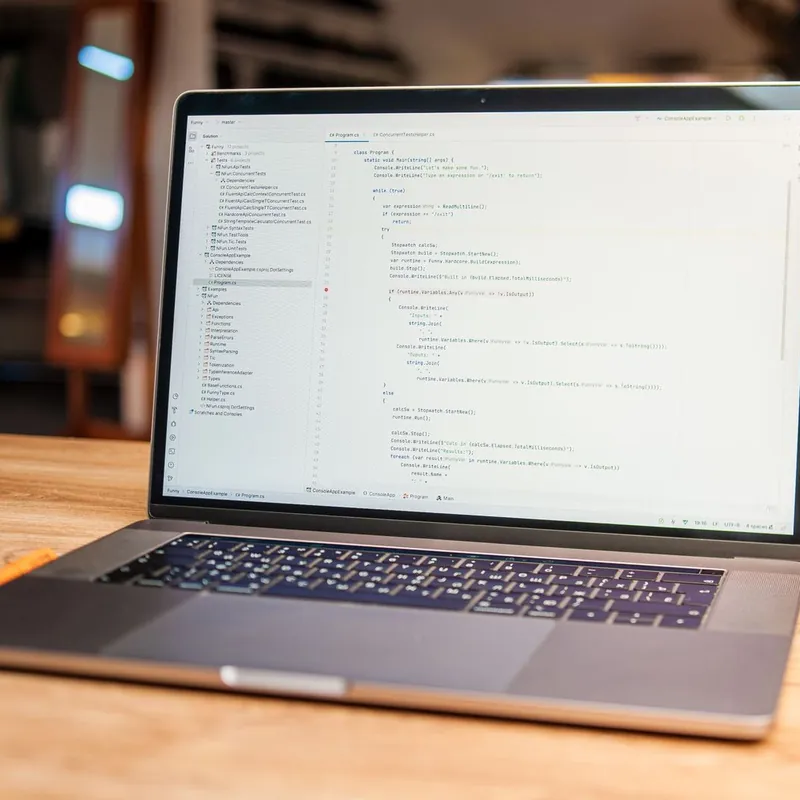
The honest challenge for a non-technical founder isn't hiring itself, it's that you can't personally verify code quality after the fact. The fix isn't learning to code. It's choosing a partner willing to prove themselves before you're fully committed. This is exactly why a trial period matters - it lets you judge real, working results instead of a technical explanation you can't check yourself.
Your Options, Briefly
A freelancer, a company, and a dedicated team are all real options - see the full comparison here. One option to be cautious of as a non-technical founder is staff augmentation, covered in detail here - it requires you to technically direct the work, which is the one thing you don't have yet.
A Simple 4-Step Way to Hire Without Knowing Code
- Write down what you want, in plain language. No technical terms required.
- Ask to see real, live examples of past work, not just a portfolio of screenshots.
- Start with a small paid or trial project before committing to anything bigger.
- Judge how clearly they explain things back to you. If you don't understand their answer, that's useful information, not a failure on your part.
Conclusion
Not being technical doesn't mean you can't hire well, it just means you should hire someone willing to show you, not just tell you. Talk to our team in plain language about what you're building, or start with a 15-day free trial and see real work before you commit to anything bigger.